Podcast studio board

Roster Champion podcast episodes for the people behind every schedule.

Listen to conversations about algorithmic management, rota pressure, sports calendars, automation, compliance, and the human cost of running a roster badly.

By the Roster Champion Editorial Team — 29 episodes so far, each with full show notes below.

Roster Champion podcast mascot

Episodes

New episodes are added by the Roster Champion team on an ongoing schedule, with dedicated artwork and audio for each topic.

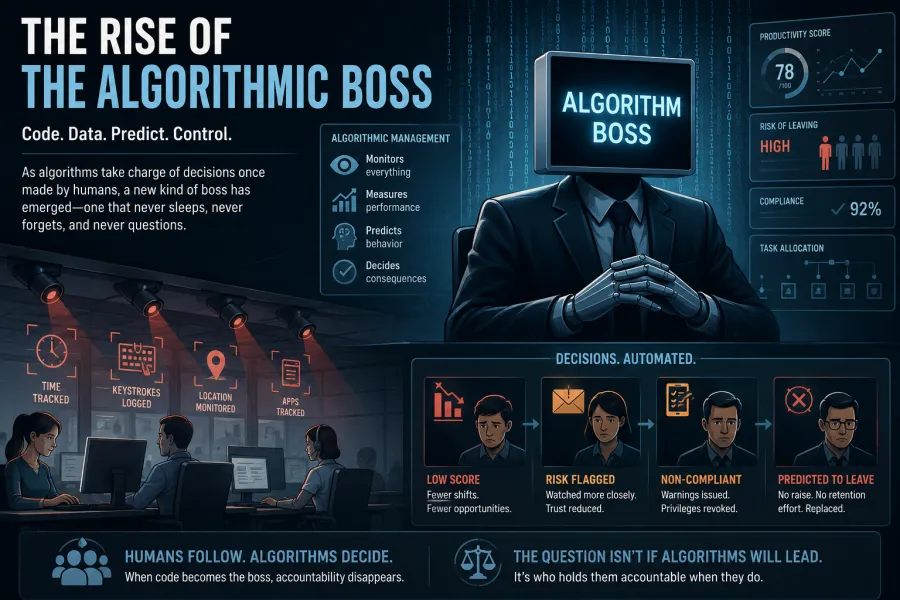
Ep1: The Rise of the Algorithmic Boss artworkEP 01

Ep1: The Rise of the Algorithmic Boss

How scheduling software can quietly become management power, and what a fair roster system needs to make visible.

Released 1 July 2026

WorkAlgorithmsManagement
Show notes & key points
  • Scheduling software can silently take over decisions that used to involve a conversation — who gets the good shifts, who covers the gap, who gets asked twice.
  • "Algorithmic" doesn't have to mean opaque: a rota system can show its reasoning (seniority, fairness rotation, availability) instead of just outputting a grid.
  • The episode argues for visibility over automation for its own sake — staff trust a system more when they can see why a shift landed where it did.
  • Practical takeaway: any rota tool worth using should let a manager explain a placement in one sentence, not shrug and blame the software.

Related reading: our roster planning guide.
Download audio
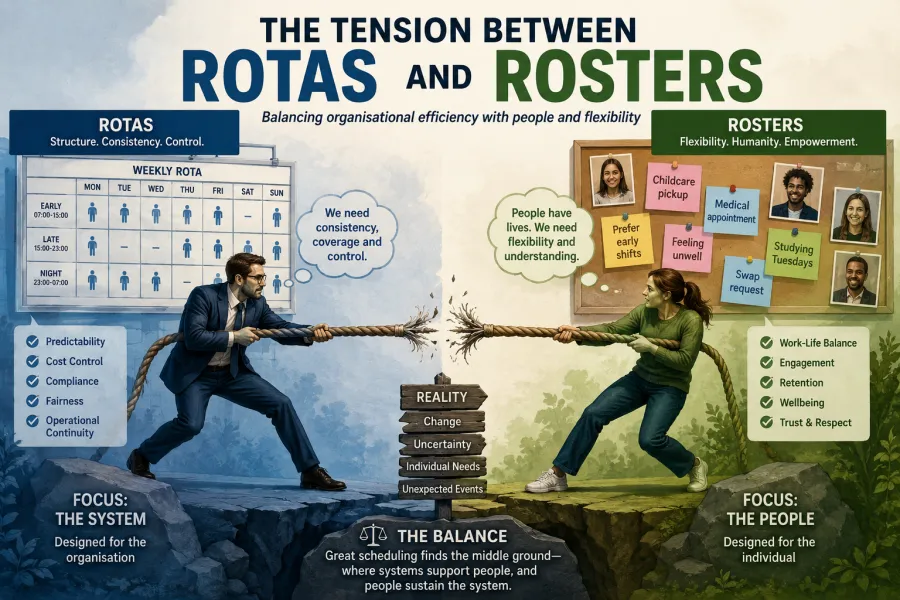
Ep2: The Tension Between Rotas and Rosters artworkEP 02

Ep2: The Tension Between Rotas and Rosters

The language of schedules matters: rotas, rosters, shifts, staff visibility, and the expectations each word carries.

Released 4 July 2026

RotaRosterOperations
Show notes & key points
  • "Rota" and "roster" get used interchangeably in most teams, but the words carry different expectations — one leans toward a fixed cycle, the other toward a named, visible assignment.
  • The episode digs into why that language gap matters when a new tool is introduced: staff read meaning into the word a manager chooses, not just the schedule itself.
  • Visibility is the recurring theme — a rota that's only in a manager's head or a locked spreadsheet creates the same friction regardless of what you call it.
  • Takeaway for operators: agree on one term internally and be consistent, so "check the rota" and "check the roster" always point to the same trusted source.

Related reading: our shift rota app guide.

Download audio
Ep3: Hospital Corners or the Bare Minimum artworkEP 03

Ep3: Hospital Corners or the Bare Minimum

A look at standards, care work, invisible labour, and the difference between a completed task and a quality outcome.

Released 7 July 2026

CareStandardsQuality
Show notes & key points
  • "Hospital corners" is used as shorthand for the gap between technically-completed and genuinely well-done work — a distinction that's easy to lose in care settings under time pressure.
  • The episode looks at how a roster can quietly encourage the bare minimum: back-to-back short-staffed shifts leave no slack for the extra five minutes that make a task actually good.
  • Invisible labour comes up repeatedly — handovers, reassurance, small checks — work that doesn't show up as a line on a schedule but absolutely shows up in outcomes.
  • Takeaway: building recovery time and realistic handover windows into a pattern is a quality decision, not just a staffing one.

Related reading: our healthcare scheduling guide.

Download audio
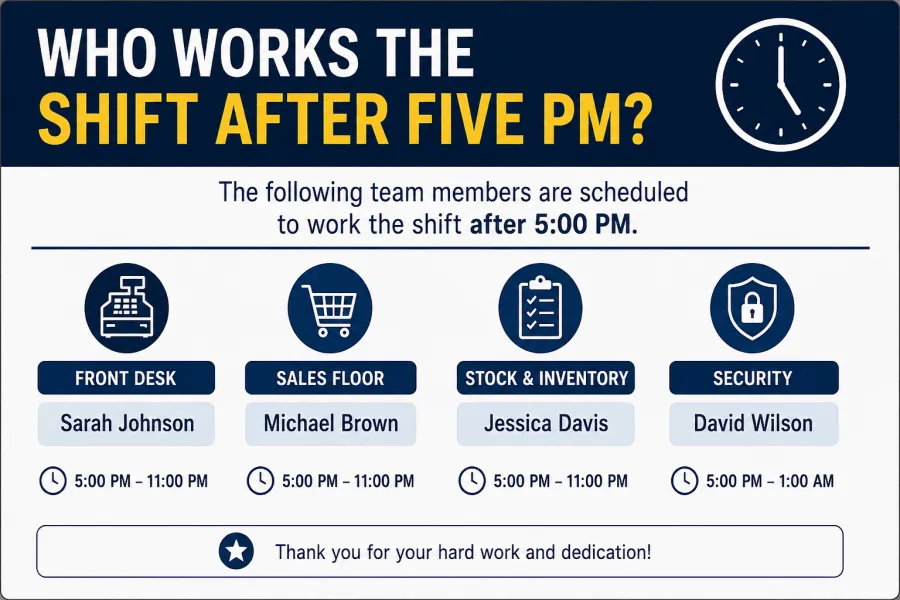
Ep4: Who Works the Shift After Five PM artworkEP 04

Ep4: Who Works the Shift After Five PM

Late cover is where fairness, fatigue, family life, customer demand, and operational reality all collide.

Released 10 July 2026

Late shiftsFairnessCover
Show notes & key points
  • Late cover is where every competing pressure in a rota collides at once: customer demand doesn't stop at 5pm, but school pickups, second jobs, and rest needs do.
  • The episode makes the case that "who's free tonight" is a bad default — repeatedly asking the same flexible person burns them out and quietly punishes flexibility.
  • Rotation transparency matters here more than almost anywhere else: staff need to see that late cover is being shared fairly over weeks, not just today.
  • Takeaway: track late-shift history per person, not just per week, so fairness holds up over a full month.

Related reading: our coverage checklist.

Download audio
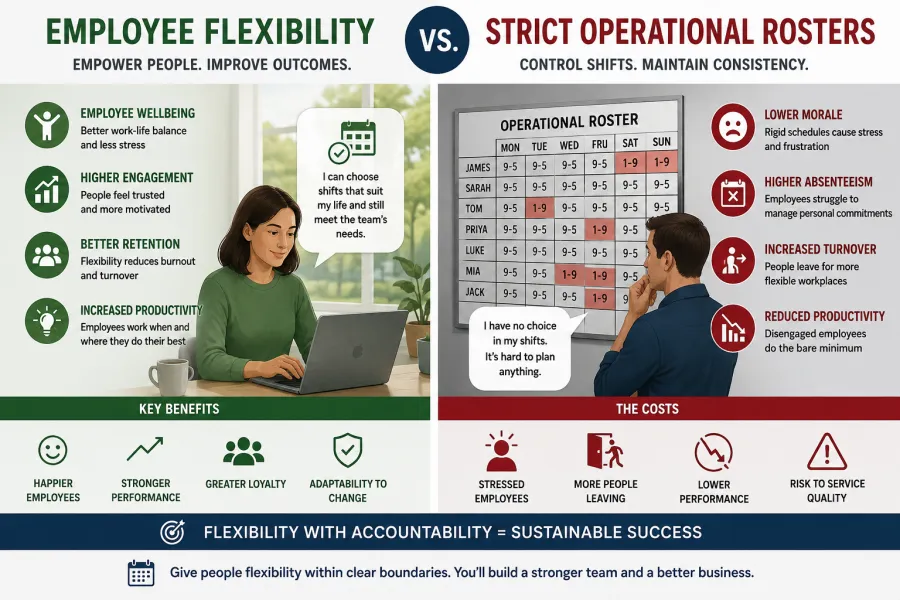
Ep5: Employee Flexibility Versus Strict Operational Rosters artworkEP 05

Ep5: Employee Flexibility Versus Strict Operational Rosters

Where employee autonomy helps performance, and where loose planning starts to break the operation.

Released 13 July 2026

FlexibilityAutonomyRules
Show notes & key points
  • Employee flexibility and operational reliability are usually framed as opposites — this episode argues the real question is where each one actually pays off.
  • Flexibility helps most around personal circumstances (childcare, study, health) and hurts most around firm commitments (opening cover, contracted minimums, safety-critical roles).
  • Strict rostering earns its keep in regulated or safety-sensitive settings, but applied everywhere it just breeds workarounds and off-the-books swaps.
  • Takeaway: define which shifts are "flexible by design" and which are "fixed by necessity" up front, rather than negotiating it fresh every week.

Related reading: our shift pattern examples.

Download audio
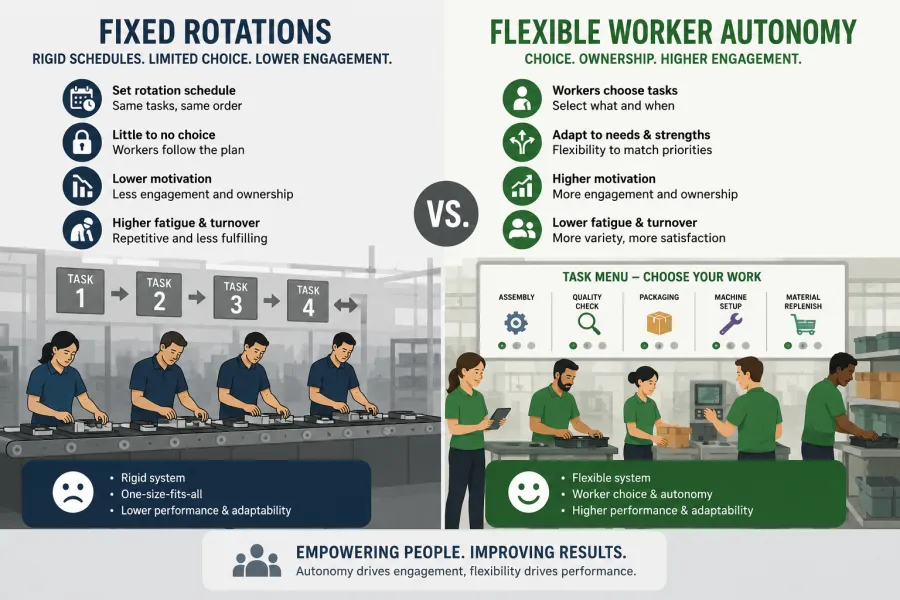
Ep6: Fixed Rotations Versus Flexible Worker Autonomy artworkEP 06

Ep6: Fixed Rotations Versus Flexible Worker Autonomy

A practical debate about predictable rotations, self-service swaps, manager control, and worker trust.

Released 16 July 2026

RotationsSwapsAutonomy
Show notes & key points
  • Fixed rotations give staff predictability — they can plan a life around a known cycle — but they're brittle the moment someone actually needs a swap.
  • Self-service swap systems restore flexibility, but only work if a manager can still see and approve the outcome; unmonitored swapping just moves the coverage risk around.
  • The episode frames trust as the deciding factor: teams with a track record of reliable swaps can loosen the rules; teams without one need tighter defaults first.
  • Takeaway: start with a fixed rotation as the safety net, then open up swaps once the coverage rules are clear enough to survive them.

Related reading: our shift pattern examples guide.

Download audio
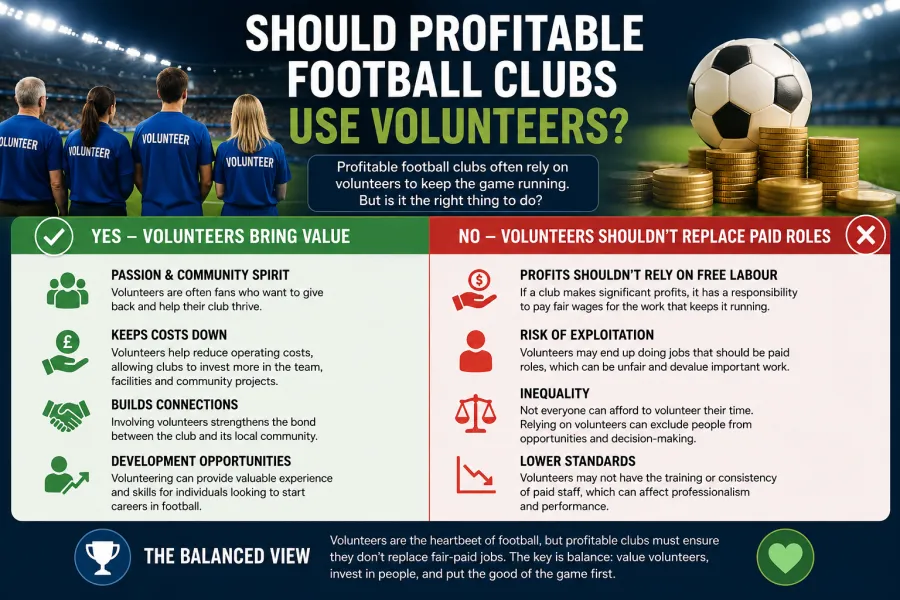
Ep7: Should Profitable Football Clubs Use Volunteers artworkEP 07

Ep7: Should Profitable Football Clubs Use Volunteers

Football depends on volunteer labour, but professional money changes the ethics of unpaid match-day work.

Released 19 July 2026

FootballVolunteersClubs
Show notes & key points
  • Grassroots and semi-professional football runs almost entirely on volunteer labour — stewarding, coaching, first aid, groundskeeping — even at clubs turning over real money.
  • The episode questions where that stops being reasonable: is unpaid match-day work still fair once ticket revenue, sponsorship, and transfer fees enter the picture?
  • A recurring point: volunteers burn out fastest not from the work itself but from unclear, last-minute rostering — the same fairness problem paid staff face, with less goodwill in reserve.
  • Takeaway: clubs that treat volunteer scheduling with the same rigour as paid staff scheduling keep people longer.

Related reading: our sports roster guide.

Download audio
Ep8: Formula One Rules and Ruthless Betrayals artworkEP 08

Ep8: Formula One Rules and Ruthless Betrayals

How elite sport turns rules, contracts, loyalty, and split-second decisions into a relentless operating system.

Released 22 July 2026

Formula OneRulesStrategy
Show notes & key points
  • F1 is one of the most heavily rule-bound sports in existence, yet its history is full of team orders, contract exits, and split-second calls that feel like betrayals to fans.
  • The episode treats the sport as a case study in what happens when a rulebook is exhaustive but the incentives underneath it still push people toward the edges of fair play.
  • Pit-wall decision-making gets a specific mention: strategy calls happen faster than a driver can question them, which is its own kind of scheduling problem under pressure.
  • Takeaway: detailed rules reduce disputes but never fully remove the human judgement calls that decide outcomes.

Related reading: our major sporting events hub.

Download audio
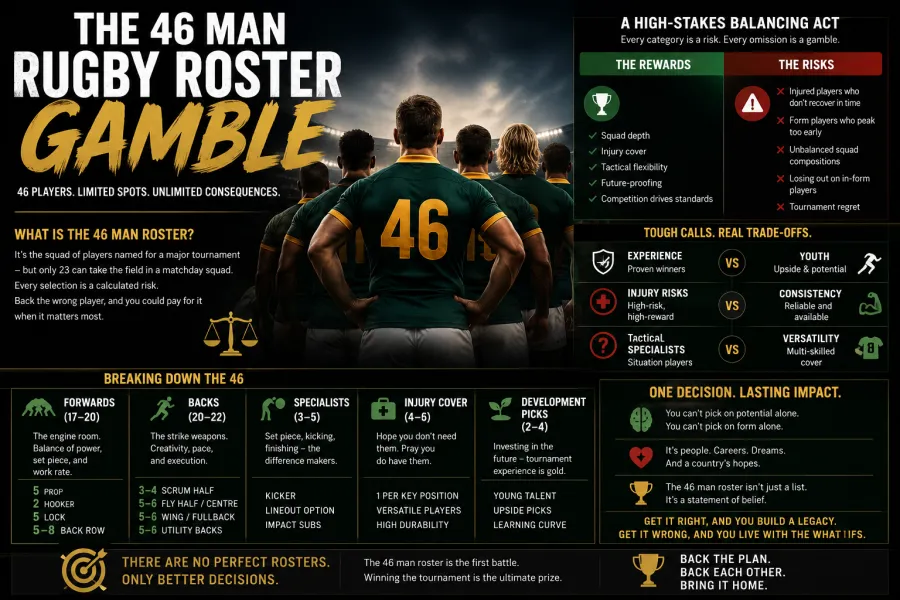
Ep9: The 46 Man Rugby Roster Gamble artworkEP 09

Ep9: The 46 Man Rugby Roster Gamble

Squad size, selection risk, injuries, specialist positions, and the hard choices hidden inside a rugby roster.

Released 25 July 2026

RugbySelectionSquads
Show notes & key points
  • A 46-player rugby squad sounds generous until you map it against specialist positions — front row, hooker, fly-half — where there's often no like-for-like backup.
  • The episode walks through how one injury in a specialist role can force a reshuffle three positions deep, not just a single substitution.
  • Selection risk compounds over a season: a squad that looks balanced in week one can be dangerously thin by week twelve if injuries cluster in the same unit.
  • Takeaway: squad planning needs to track position-specific depth, not just total headcount, to see the real risk.

Related reading: our cricket & rugby league 2026 guide.

Download audio
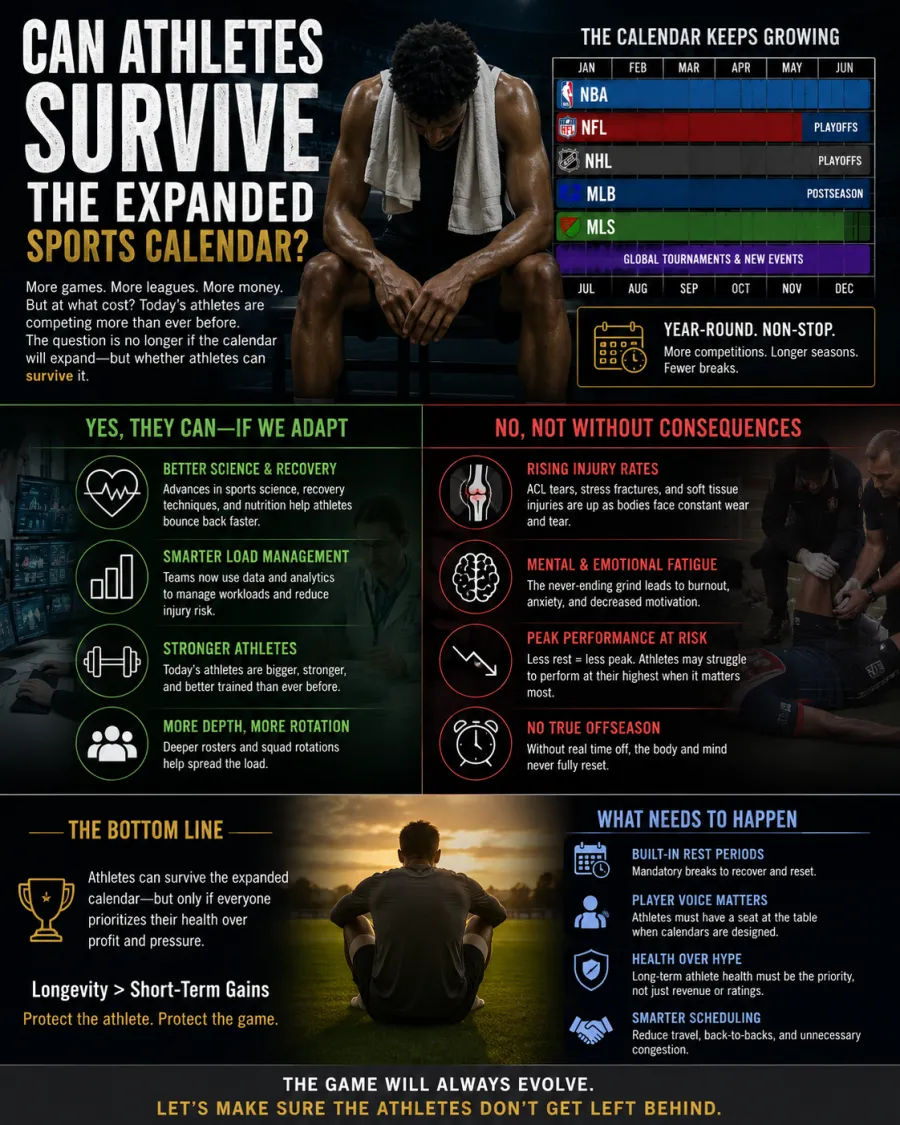
Ep10: Can Athletes Survive the Expanded Sports Calendar artworkEP 10

Ep10: Can Athletes Survive the Expanded Sports Calendar

More matches, more travel, more broadcast windows: what an expanded calendar does to players, clubs, and support teams.

Released 28 July 2026

CalendarAthletesLoad
Show notes & key points
  • Broadcast demand keeps expanding fixture calendars, but recovery time between matches hasn't grown to match it — the episode lays out what that gap costs athletes physically.
  • Travel is treated as its own hidden load: back-to-back fixtures in different cities eat into recovery even when the on-pitch schedule looks manageable on paper.
  • Support staff feel the squeeze too — physios, analysts, and logistics teams absorb an expanded calendar with the same headcount as a lighter one.
  • Takeaway: any club or federation adding fixtures should be adding recovery-and-support capacity in the same breath, not treating it as a free scale-up.

Related reading: our 2026 fixture planning guide.

Download audio
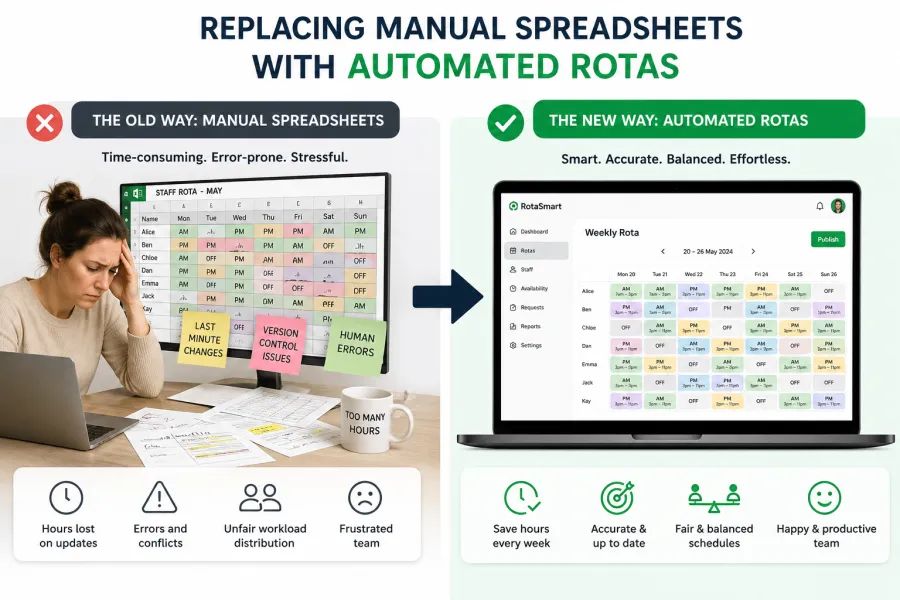
Ep11: Replacing Manual Spreadsheets With Automated Rotas artworkEP 11

Ep11: Replacing Manual Spreadsheets With Automated Rotas

Why spreadsheet rotas fail under pressure, and how automation can reduce drift without removing human judgement.

Released 31 July 2026

AutomationSpreadsheetsRotas
Show notes & key points
  • Spreadsheet rotas work fine at small scale and start failing exactly when a team can least afford it — during growth, staff turnover, or a busy season.
  • The specific failure modes covered: version conflicts when two people edit at once, formula drift after a copy-paste, and no audit trail for who changed a shift and when.
  • Automation's real value isn't speed, it's consistency — the same coverage rule gets applied the same way every week, without a tired manager forgetting a step.
  • The episode is careful to note automation should reduce drift, not remove human judgement on edge cases like short-notice leave.

Related reading: our spreadsheet alternative guide.

Download audio
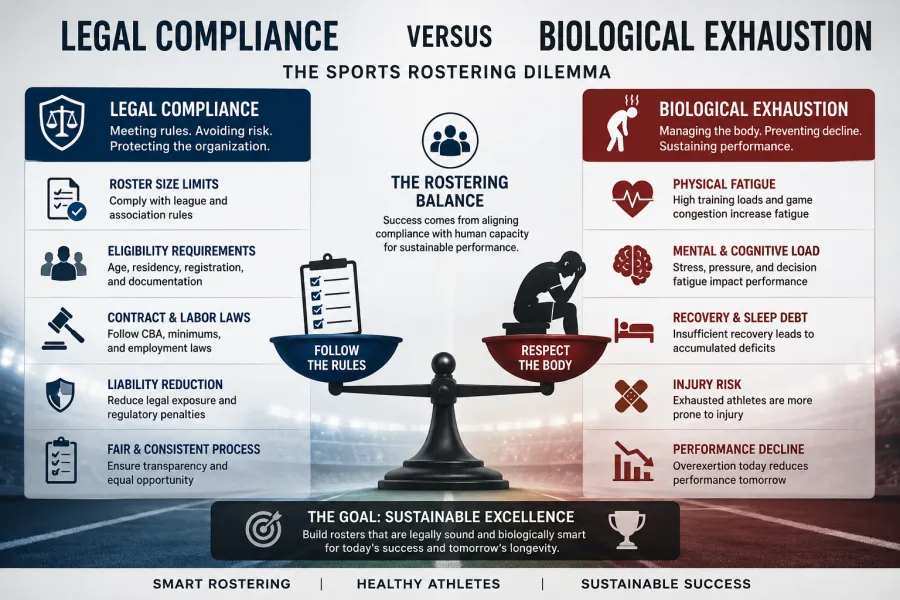
Ep12: Legal Compliance Versus Biological Exhaustion artworkEP 12

Ep12: Legal Compliance Versus Biological Exhaustion

Compliance is a floor, not a recovery plan: the episode explores rest, fatigue, labour rules, and human limits.

Released 3 August 2026

ComplianceFatigueWellbeing
Show notes & key points
  • Legal rest requirements set a minimum, not a target — the episode's central point is that a rota can be fully compliant and still leave staff exhausted.
  • Biological recovery doesn't reset on a fixed schedule the way a compliance rule does; two short rest periods back-to-back can be legal but still insufficient physiologically.
  • The discussion covers how compliance-only thinking creates a false sense of safety for managers, since "we followed the rules" isn't the same as "nobody is burning out."
  • Takeaway: treat legal minimums as a floor to build above, and track fatigue signals (repeated late-early turnarounds, unused leave) separately from compliance checks.

Related reading: our coverage checklist.

Download audio
Ep13: Gold Coffins and Quantum Checklists artworkEP 13

Ep13: Gold Coffins and Quantum Checklists

How an over-built compliance checklist can look impressive while quietly burying a team's ability to respond to anything unplanned.

Released 6 August 2026

ChecklistsProcessOverhead
Show notes & key points
  • A checklist built to cover every edge case eventually stops being a safety net and starts being the thing that slows a team down during a real incident.
  • "Gold coffin" is used for a process that looks premium and thorough but is effectively where responsiveness goes to die.
  • "Quantum checklists" — items that are technically satisfied in more than one contradictory way at once — get called out as a sign a process has outgrown its purpose.
  • Takeaway: a rota or process checklist should be judged by how fast it lets someone react, not by how comprehensive it looks in a review.

Related reading: our coverage checklist.

Download audio
Ep14: How to Fix Systems Without Authority artworkEP 14

Ep14: How to Fix Systems Without Authority

Practical change-making for the person who sees the scheduling problem clearly but doesn't have the title to just mandate a fix.

Released 9 August 2026

AuthorityChangeOperations
Show notes & key points
  • Most rota problems are visible to the people closest to them long before anyone with sign-off authority notices — this episode is about that gap.
  • Bottom-up fixes tend to survive when they're framed as removing someone else's pain, not as a new rule being imposed.
  • Small, reversible pilot changes get more traction than a full proposal, because nobody has to approve a big commitment up front.
  • Takeaway: pick the smallest change that proves the idea, run it quietly, then bring the results — not the pitch — to the person who can make it official.

Related reading: our spreadsheet alternative guide.

Download audio
Ep15: Replacing IT Tickets With 15 Minute Swarms artworkEP 15

Ep15: Replacing IT Tickets With 15 Minute Swarms

Trading a slow, queued support model for fast collaborative response — and what that means for how a rota needs to be staffed.

Released 12 August 2026

SupportSwarmsSpeed
Show notes & key points
  • A ticket queue optimises for fairness in order, not for speed — this episode looks at what a short, focused "swarm" response gets you instead.
  • Swarming only works if the rota already has the right skills overlapping at the right time; otherwise it's just a faster-sounding queue.
  • The episode draws a direct line between this support model and rota design: swarm capability has to be planned for, not assumed.
  • Takeaway: identify the handful of recurring issues worth a swarm response, and roster overlap specifically for those windows.

Related reading: our roster planning guide.

Download audio
Ep16: The 80 Percent Gold Breakout System artworkEP 16

Ep16: The 80 Percent Gold Breakout System

When chasing a perfect rota stops paying off, and where an honest 80 percent standard actually holds up better under pressure.

Released 15 August 2026

CoverageStandardsPragmatism
Show notes & key points
  • Perfection-chasing in rota planning has a breakout point where the marginal effort stops buying real reliability.
  • The episode argues for naming an honest, sustainable coverage standard rather than an aspirational one nobody actually hits.
  • A clearly-defined 80 percent standard, hit consistently, tends to outperform a 100 percent standard that quietly slips most weeks.
  • Takeaway: pick the standard your rota can actually sustain, then build alerting for the times it drops below that — not an unreachable target.

Related reading: our coverage checklist.

Download audio
Ep17: The 86 Percent Win Rate Paradox artworkEP 17

Ep17: The 86 Percent Win Rate Paradox

A shift-fill rate that looks strong in a report can still be failing the people who absorb the remaining gaps every week.

Released 18 August 2026

MetricsReliabilityParadox
Show notes & key points
  • An 86 percent fill rate reads as a success in a monthly report, but the episode digs into who is quietly covering the other 14 percent.
  • The paradox: the better the headline number looks, the less pressure there is to fix the pattern behind the remaining gaps.
  • Distribution matters more than the average — a handful of people absorbing most of the shortfall is a different problem than an even spread.
  • Takeaway: track who fills last-minute gaps by name over a full month, not just the aggregate fill percentage.

Related reading: our coverage checklist.

Download audio
Ep18: Why Human Consciousness Requires Ignorance artworkEP 18

Ep18: Why Human Consciousness Requires Ignorance

Decision fatigue, cognitive load, and why offloading the low-value scheduling noise is what keeps a manager's judgement sharp for the calls that matter.

Released 21 August 2026

Cognitive loadAutomationDecision-making
Show notes & key points
  • Attention is finite — the episode's central claim is that a manager needs to actively ignore low-value scheduling noise to stay sharp on the decisions that matter.
  • Automating the routine, repeatable parts of a rota isn't about removing human judgement, it's about protecting the attention that judgement needs.
  • The episode connects this to burnout: managers who try to consciously track every shift detail run out of decision quality before they run out of hours.
  • Takeaway: deliberately hand off anything rule-based to the system, and reserve human attention for the exceptions that actually need it.

Related reading: our spreadsheet alternative guide.

Download audio
Ep19: Can Quantum AI Predict the Market artworkEP 19

Ep19: Can Quantum AI Predict the Market

A look at forecasting hype versus reality — why prediction models (market or staffing) are only as good as the assumptions baked into them.

Released 24 August 2026

ForecastingAIPrediction
Show notes & key points
  • Prediction systems, whether pricing markets or forecasting shift demand, are only as trustworthy as the assumptions and data quality behind them.
  • The episode is skeptical of any model marketed as removing uncertainty entirely — the honest framing is narrowing uncertainty, not eliminating it.
  • A recurring theme: overconfidence in a forecast is often more dangerous than the forecast being wrong, because it stops people double-checking.
  • Takeaway: treat any forecasting tool — market or workforce — as a second opinion to weigh, not an answer to defer to blindly.

Related reading: our roster planning guide.
Download audio
Ep20: Micro SaaS and Debt Relief for Insolvency artworkEP 20

Ep20: Micro SaaS and Debt Relief for Insolvency

Small, focused software tools versus large platforms — and what that has to do with keeping a small operation financially afloat.

Released 27 August 2026

Small businessFinanceSoftware
Show notes & key points
  • Micro-SaaS tools succeed by solving one specific operational problem well, rather than trying to be an all-in-one platform.
  • The episode connects lean, focused tooling to financial resilience — fewer unused features means fewer costs to justify when money is tight.
  • Relevant to any small operator deciding between a bloated all-in-one system and a smaller tool built for exactly their problem.
  • Takeaway: the cheapest software isn't always the tool with the lowest price — it's the one that matches what you actually use.

Related reading: our spreadsheet alternative guide.

Download audio
Ep21: Should Lying News Networks Be Shut Down artworkEP 21

Ep21: Should Lying News Networks Be Shut Down

A debate episode on media accountability, misinformation, and where the line sits between regulation and free expression.

Released 30 August 2026

MediaPolicyDebate
Show notes & key points
  • The episode presents both sides of a genuinely contested policy debate around media regulation and misinformation.
  • It does not land on a single verdict — the framing is deliberately presented as an open debate rather than a house position.
  • A change of pace from the show's usual workforce-scheduling focus — included as general-interest editorial content.
  • No direct product tie-in; listed here as part of the wider podcast catalogue.
Download audio
Ep22: Can Recursive AI Loops Break Reality artworkEP 22

Ep22: Can Recursive AI Loops Break Reality

A companion piece to the Recursive Paradox vlog — what happens when a self-improving AI loop keeps optimising past the point anyone can meaningfully audit it, and why that's a governance problem as much as a technical one.

Released 2 September 2026 · 24:13 min

AIGovernanceRisk
Show notes & key points
  • Recursive self-improvement loops are discussed as a governance risk, not just a technical curiosity — the concern is losing the ability to audit a system that keeps rewriting its own logic.
  • The episode draws a line between AI that assists a human decision and AI that has quietly become the decision-maker.
  • Real-world operational systems (rostering included) already run on models nobody fully re-derives by hand — this episode asks what oversight should look like at that point.
  • Takeaway: treat any 'set and forget' automated system as a standing audit obligation, not a one-time approval.
Download audio
Ep23: Beating the Campaign to Force You Out artworkEP 23

Ep23: Beating the Campaign to Force You Out

On the slow, deniable version of being managed out — shifting goalposts, sudden scrutiny, exclusion from decisions — and what a documented paper trail does to counter it.

Released 5 September 2026 · 23:14 min

Workplace rightsDocumentationHR
Show notes & key points
  • A 'managed out' campaign is rarely one clear act — it's usually a pattern of small, individually deniable changes.
  • The episode's core defence is documentation: dates, criteria, and communications kept contemporaneously, not reconstructed after the fact.
  • Recognising the pattern early is framed as the single biggest advantage an employee has.
  • Takeaway: keep your own dated record of instructions, feedback, and criteria changes — it costs nothing and is the thing that holds up later.

Related reading: our coverage checklist.

Download audio
Ep24: Frozen Cash or Operational Suicide artworkEP 24

Ep24: Frozen Cash or Operational Suicide

A hard trade-off for any small operation under pressure — hoard cash for safety, or keep spending on the people and tools that keep operations running — and why both choices carry real risk.

Released 8 September 2026 · 25:27 min

Cash flowSmall businessRisk management
Show notes & key points
  • Freezing spend feels safe in the short term but can starve the exact operational capacity needed to earn the next contract.
  • The episode frames this as a genuine dilemma, not a solved problem — there's no universally correct answer, only a clearer way to weigh it.
  • Rostering and staffing costs are usually the first thing cut under a cash freeze, often with consequences that show up weeks later.
  • Takeaway: model the operational cost of a freeze explicitly, not just the cash saved — an empty rota has its own price.

Related reading: our spreadsheet alternative guide.

Download audio
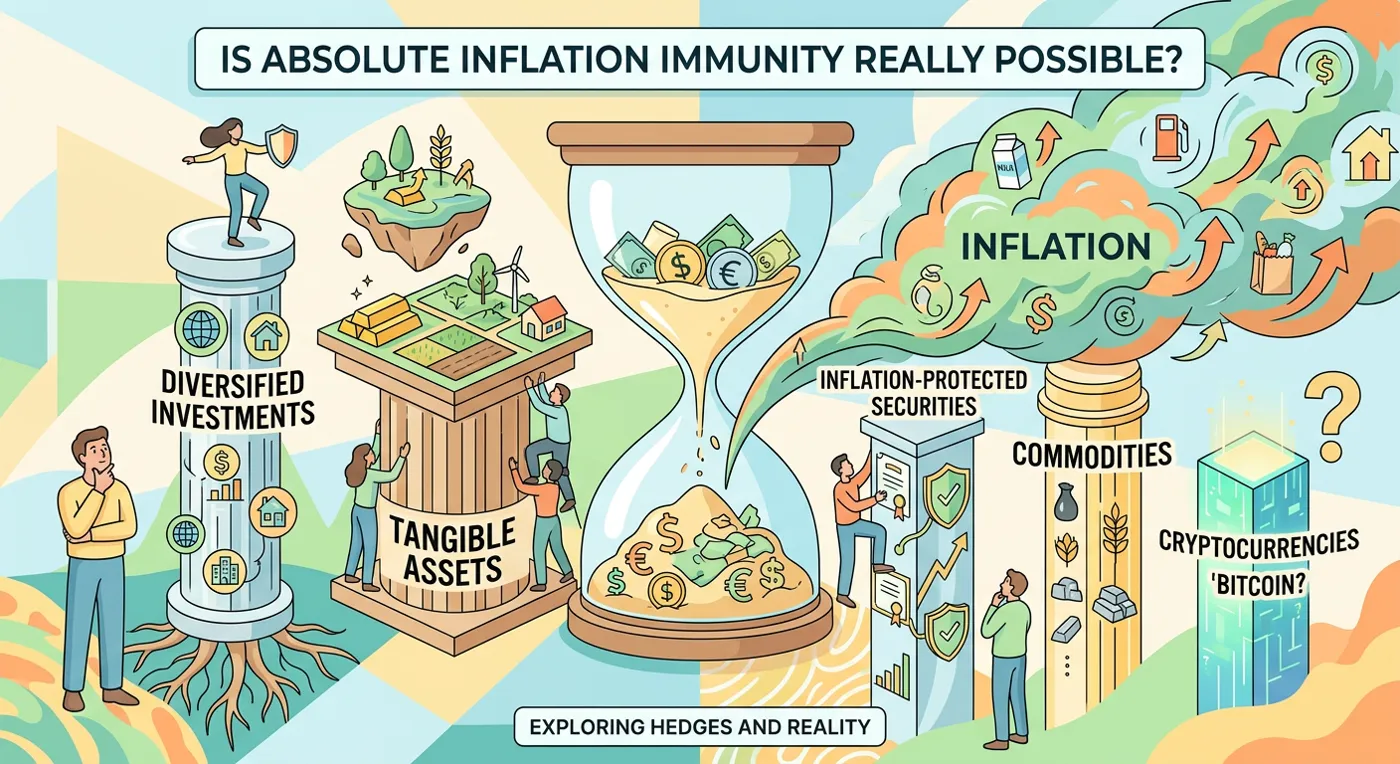
Ep25: Is Absolute Inflation Immunity Really Possible artworkEP 25

Ep25: Is Absolute Inflation Immunity Really Possible

A skeptical look at products and strategies marketed as fully inflation-proof — where that claim holds up, where it quietly doesn't, and what 'immunity' really means for a small operator's budget.

Released 11 September 2026 · 25:14 min

InflationFinanceBudgeting
Show notes & key points
  • No single strategy fully insulates a small operation from inflation — the episode treats 'absolute immunity' as a marketing claim worth challenging.
  • The practical framing is reducing exposure in the areas you control (staffing costs, contract terms) rather than chasing a complete hedge.
  • Labour cost predictability is highlighted as one of the more controllable levers available to a small operator.
  • Takeaway: build a buffer into your rota/labour budget rather than assuming any single hedge covers the whole risk.
Download audio
Ep26: Is Positive Intent a Strategic Cheat Code artworkEP 26

Ep26: Is Positive Intent a Strategic Cheat Code

A companion piece to the Gray Rock and Positive Intent vlog — testing whether defaulting to good faith actually works as a deliberate strategy at work, or whether it only works when the other side reciprocates.

Released 14 September 2026 · 24:48 min

Workplace psychologyCommunicationConflict management
Show notes & key points
  • Positive intent is presented as a genuinely useful default, but not an unconditional one — it has real limits with a bad-faith counterpart.
  • The episode distinguishes assuming positive intent from ignoring a genuine pattern of harm.
  • Applied to scheduling disputes specifically, assuming good faith first tends to de-escalate faster than assuming the worst.
  • Takeaway: start from positive intent, but track the pattern — a single incident and a repeated pattern call for different responses.
Download audio
Ep27: Machine Autonomy and the Human Bottleneck artworkEP 27

Ep27: Machine Autonomy and the Human Bottleneck

As automated systems take on more independent decision-making, where does a human review step genuinely add safety versus just adding friction that gets rubber-stamped anyway?

Released 17 September 2026 · 23:18 min

AutomationAIOperations
Show notes & key points
  • A human-in-the-loop step only adds real safety if the human has time and context to genuinely evaluate it — a rubber-stamp step adds delay without adding safety.
  • The episode argues for being deliberate about which decisions actually need a human bottleneck and which don't.
  • Rostering and shift-allocation automation is used as a concrete example of where autonomy has already crept in ahead of policy.
  • Takeaway: audit your own 'approval' steps for whether they're a real check or just a delay with a rubber stamp at the end.
Download audio
Ep28: Structured Preparation Versus Job Interview Chaos artworkEP 28

Ep28: Structured Preparation Versus Job Interview Chaos

Why a structured, repeatable interview-prep process outperforms cramming — and what that has in common with building a rota that survives a busy week instead of just looking good on paper.

Released 20 September 2026 · 23:01 min

Job interviewsPreparationCareers
Show notes & key points
  • Structured preparation (a repeatable checklist, not last-minute cramming) is framed as the difference between a candidate who performs consistently and one who gets lucky or unlucky.
  • The episode draws a parallel between interview prep systems and shift-handover systems — both fail under pressure if they only exist in one person's head.
  • Chaos in preparation tends to surface exactly when stakes are highest, not before.
  • Takeaway: build your prep (for an interview or a shift handover) as a checklist you can hand to someone else, not a mental list only you know.

Related reading: our coverage checklist.

Download audio
Ep29: Survival Protocols for Extreme Workplace Fatigue artworkEP 29

Ep29: Survival Protocols for Extreme Workplace Fatigue

A companion piece to the Shift Work Survival Guide vlog — concrete protocols for recognising and responding to fatigue that's crossed from 'tired' into a genuine safety risk.

Released 23 September 2026 · 22:18 min

FatigueShift workSafety
Show notes & key points
  • The episode draws a hard line between ordinary tiredness (easily dismissed) and fatigue severe enough to be a reportable safety risk.
  • Protocols discussed focus on recognition and escalation, not just personal coping tips.
  • Rota design gets called out directly — some fatigue patterns are a scheduling problem, not just an individual one.
  • Takeaway: treat a reported safety-level fatigue concern as an input to the next rota, not just a one-off complaint to log.

Related reading: our shift rota app.

Download audio

Listening notes

The page now serves the supplied artwork and audio directly from the website asset library.

Audio controls

Each episode has a browser-native player with metadata preload so visitors can start playback without leaving the page.

Episode art

The 12 supplied artwork files are used directly from assets/podcast, matching each episode title. Open Topics.

Topic lanes

Filters let visitors browse work operations, sport, automation, and compliance themes without splitting the season into separate pages. About Roster Champion.

Keep exploring

These links keep the podcast connected to written Topics, company context, contact routes, and publisher verification.

Read the Topics hub

Use the written guides for roster planning, coverage checks, sport scheduling, household rotas, and spreadsheet alternatives. Go to Topics.

Check trust pages

Review who the site is for, how to contact support, and how policies explain public content and data handling. About · Contact.